
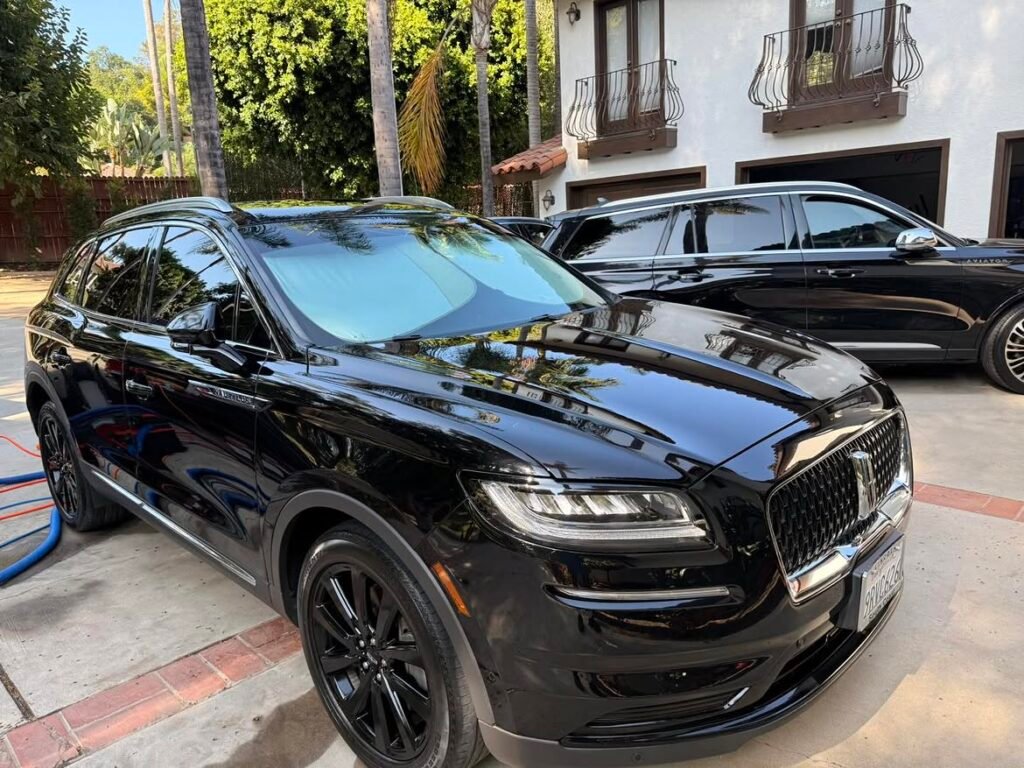
JQ Auto Detail: Premier Auto Detailing in Orange County
Orange County is famous for its idyllic Mediterranean climate, but for automotive clear coats, it presents a double-edged sword. Between relentless ultraviolet radiation (over 280 sunny days per year) and the damp, salt-laden marine layer that drifts inland each evening, vehicles in Newport Beach, Costa Mesa, and San Clemente face intense environmental oxidation. For decades, drivers relied on natural carnauba wax to protect their paint. While freshly applied carnauba produces a warm, rich glow, it has an Achilles heel: heat. Carnauba wax breaks down and melts at surface temperatures around 140°F (60°C). On an 85°F summer afternoon in Irvine, the hood of a black, grey, or blue car can reach 160°F to 180°F in direct sunlight. Within 3 to 4 weeks, the wax has completely evaporated, leaving your clear coat unprotected. Enter modern nanotechnology: Ceramic Coatings. Made primarily of silicon dioxide (SiO2) and silicon carbide (SiC), liquid ceramic coatings penetrate the microscopic pores of your clear coat and form covalent molecular bonds. Once cured, they create a permanent crystalline sacrificial layer with a hardness rating of 9H. Unlike wax, ceramic coatings do not wash away with detergents or melt under the sun. They withstand temperatures up to 800°F and resist chemical etching across a pH range of 2 through 13. When coastal salt fog or acidic bird droppings land on a coated vehicle, the contaminants sit on top of the ceramic barrier rather than burning into the factory clear coat. Additionally, the hyper-hydrophobic surface tension causes water to bead into tight 110-degree contact angles. Dirt and road grime struggle to adhere, creating a self-cleaning effect where rainfall or a quick pressure rinse sheets off most surface contaminants. If you value your time and want long-term paint defense, ceramic coatings are the indisputable winner.